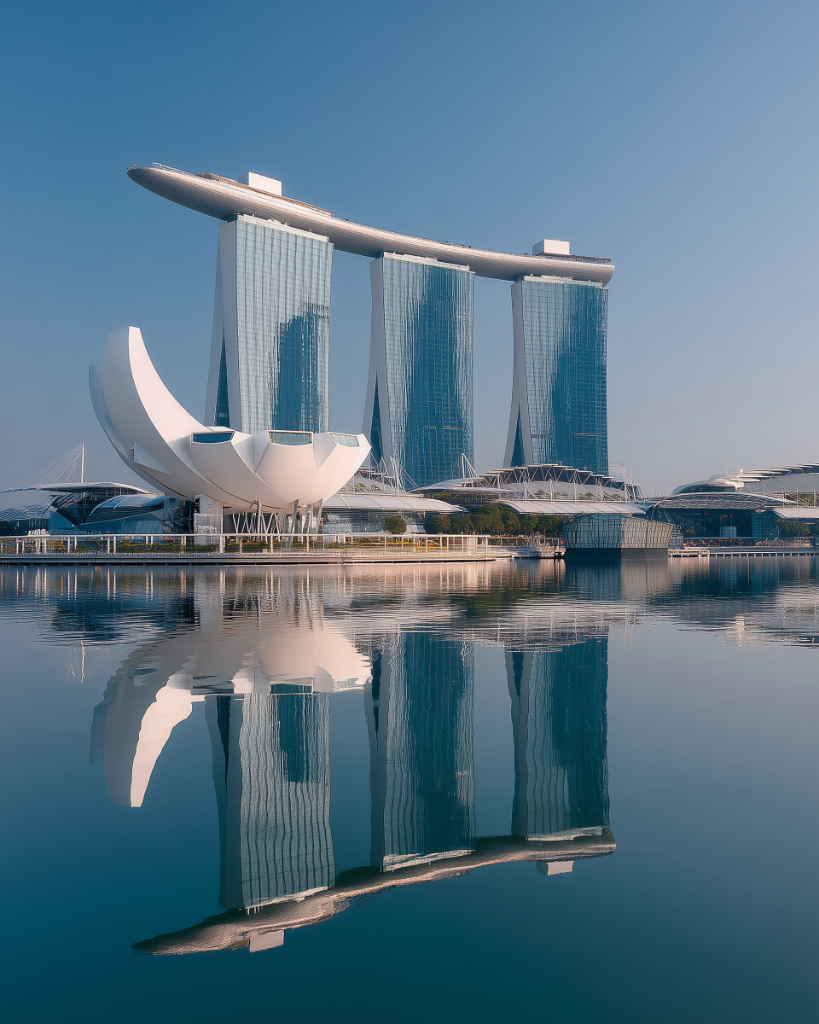
Night view of Marina Bay in Singapore with illuminated architecture and skyline.

BERDEAK

Food  ·  Wine  ·  Culture

Issue 01  ·  Spring 2026

Singapore
After Dark

The city where
food, light and culture
never sleep

Editor's Letter

Why Singapore
Matters

Singapore is a city built from layers: water, glass, heat, flavour and movement. For this first issue of BERDEAK, we look at Marina Bay not as a postcard, but as a landscape of contemporary culture.

Food, architecture and light meet here with unusual intensity. This issue opens with Singapore because it represents the kind of territory BERDEAK wants to explore: places where nature, design and gastronomy create a new way of looking at the world.

"Singapore is not just a city.
It is a way of imagining the future."

Gorka Zabalbeitia

Editor-in-Chief

BERDEAK Magazine

BERDEAK · 03  ·  Issue 01 · Spring 2026

Creative Direction

Gorka Zabalbeitia

Editorial Design

BERDEAK Studio

Photography

Alvaro Baños

City Notes

Singapore
Layers

A visual journey through architecture, street culture and contemporary gastronomy in one of Asia's most sophisticated urban landscapes.

Text Gorka Zabalbeitia  ·  Photography Alvaro Baños

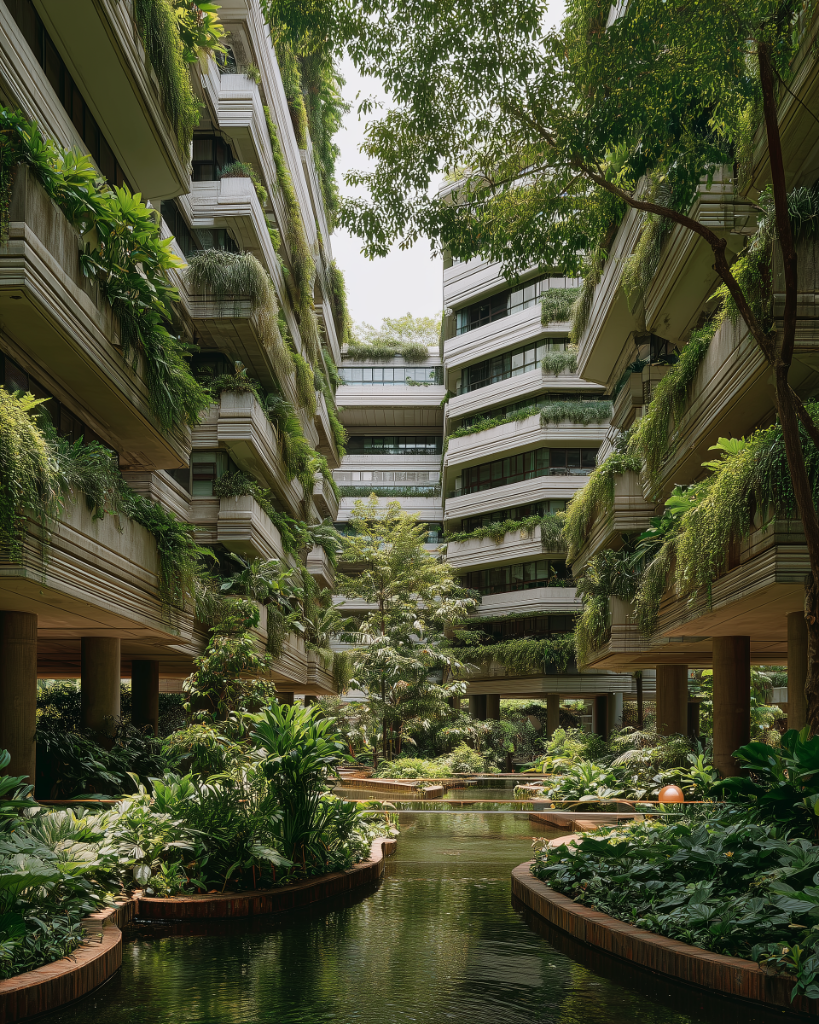
Contemporary urban landscape in Singapore with architecture, greenery and tropical atmosphere.

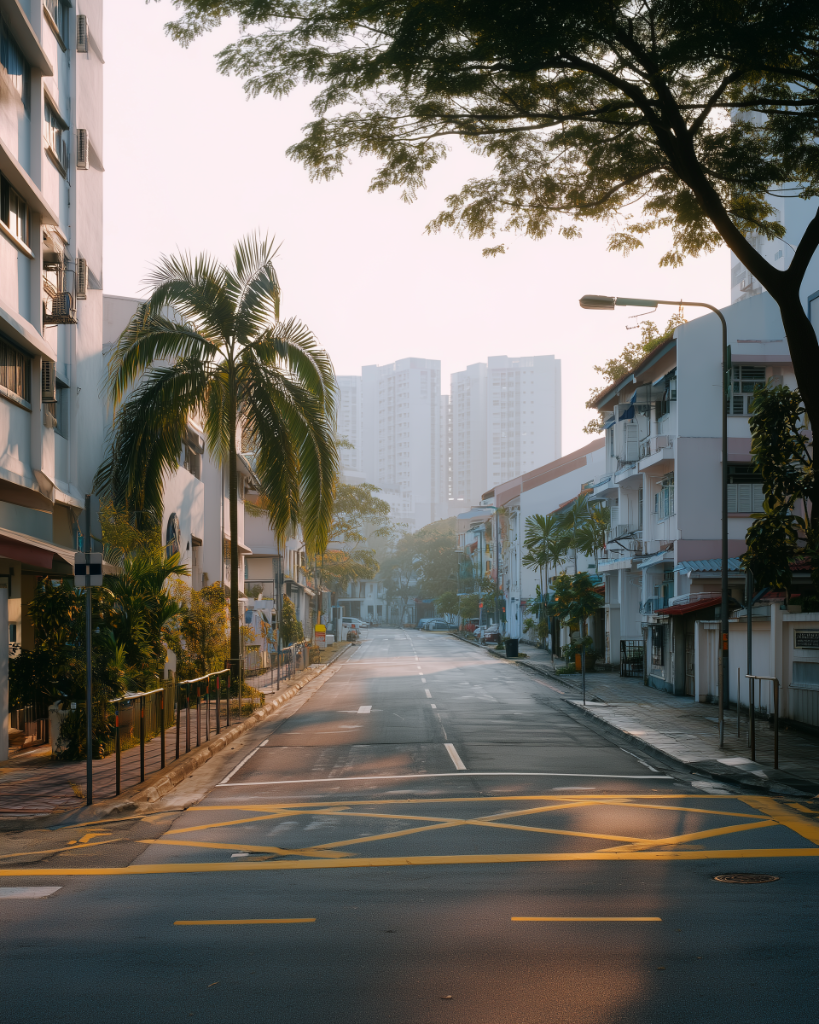
Morning calm on a residential street in Tiong Bahru, Singapore

Food, architecture and urban contrasts in contemporary Singapore

Singapore is often described as futuristic, efficient and impossibly clean. But beyond its iconic skyline and polished image, the city reveals a far more layered personality — one built on contrasts, cultural collisions and endless reinvention.

Between hawker stalls filled with the scent of chili crab and luxury boutiques glowing beneath tropical rainstorms, Singapore moves effortlessly between tradition and hyper-modernity. In the same afternoon, you can explore century-old temples, drink natural wine inside brutalist cafés and watch the sunset from a rooftop suspended above Marina Bay.

Food remains at the center of everything. The city's hawker culture is not simply about eating cheaply and well, but about identity, memory and ritual. Whether it's laksa in Katong, Hainanese chicken rice in Maxwell or late-night satay near the river, every neighborhood seems to have its own flavor and rhythm.

Yet Singapore's greatest attraction may be its atmosphere — a strange balance between calm order and nonstop movement. Gardens invade skyscrapers, humid air softens the geometry of glass towers and every corner feels designed with obsessive precision. Even the metro somehow feels cinematic.

In this visual journey for BERDEAK, we explore a city where architecture, gastronomy and urban culture coexist with almost surreal harmony — creating one of Asia's most fascinating contemporary landscapes.

Modern architectural detail in Singapore showing geometric forms and urban contrast.
Architecture and nature in dialogue — a residential complex in Singapore

"Singapore never feels chaotic, yet it never feels completely still either."

At night, the city transforms once again. Neon reflections stretch across wet pavements, hidden cocktail bars emerge behind anonymous doors and rooftop terraces fill with a mix of finance executives, artists and travelers escaping the tropical heat. Singapore never feels chaotic, yet it never feels completely still either — the city seems to vibrate quietly beneath its controlled surface.

What makes Singapore so compelling is precisely this ability to contain opposites. It is simultaneously local and global, strict yet playful, futuristic while deeply connected to tradition. Few places manage to combine such intensity, diversity and visual sophistication within such a compact urban landscape.

Beyond the famous landmarks, some of the city's most memorable moments happen unexpectedly — inside tiny coffee shops in Tiong Bahru, during early morning walks through Chinatown or while watching thunderstorms roll across the skyline from a silent rooftop garden.

BERDEAK · 15  ·  Issue 01 · Spring 2026

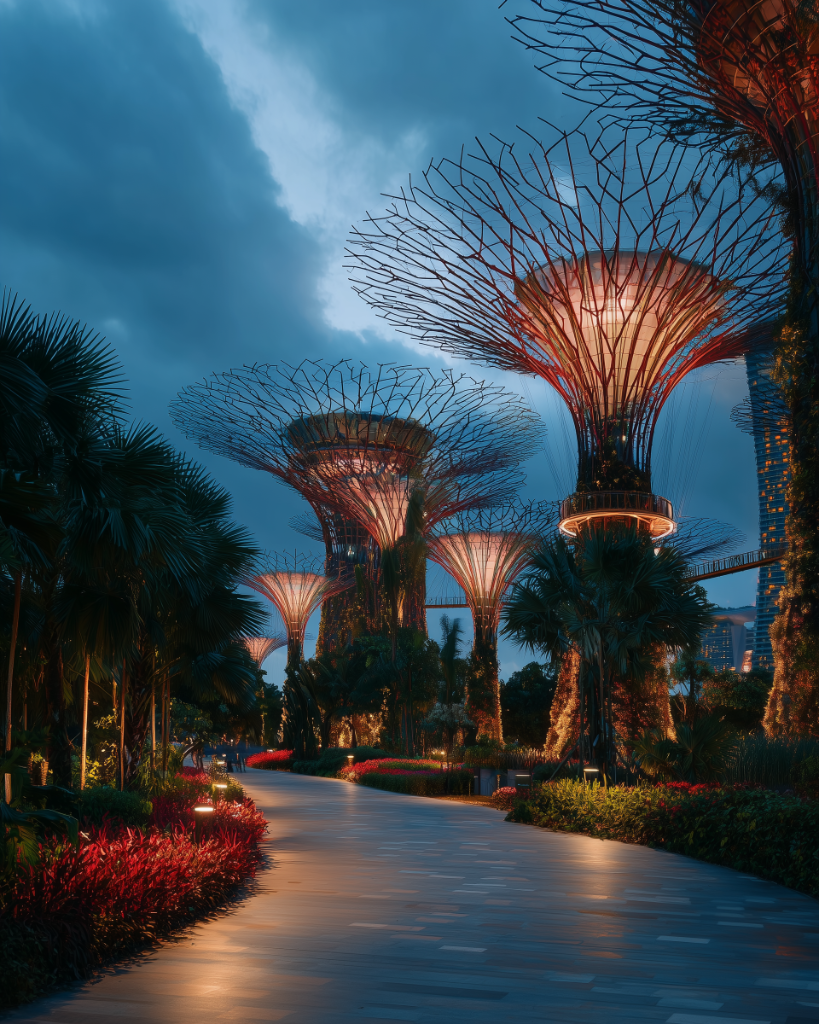
Singapore garden landscape with lush vegetation and contemporary city structures.
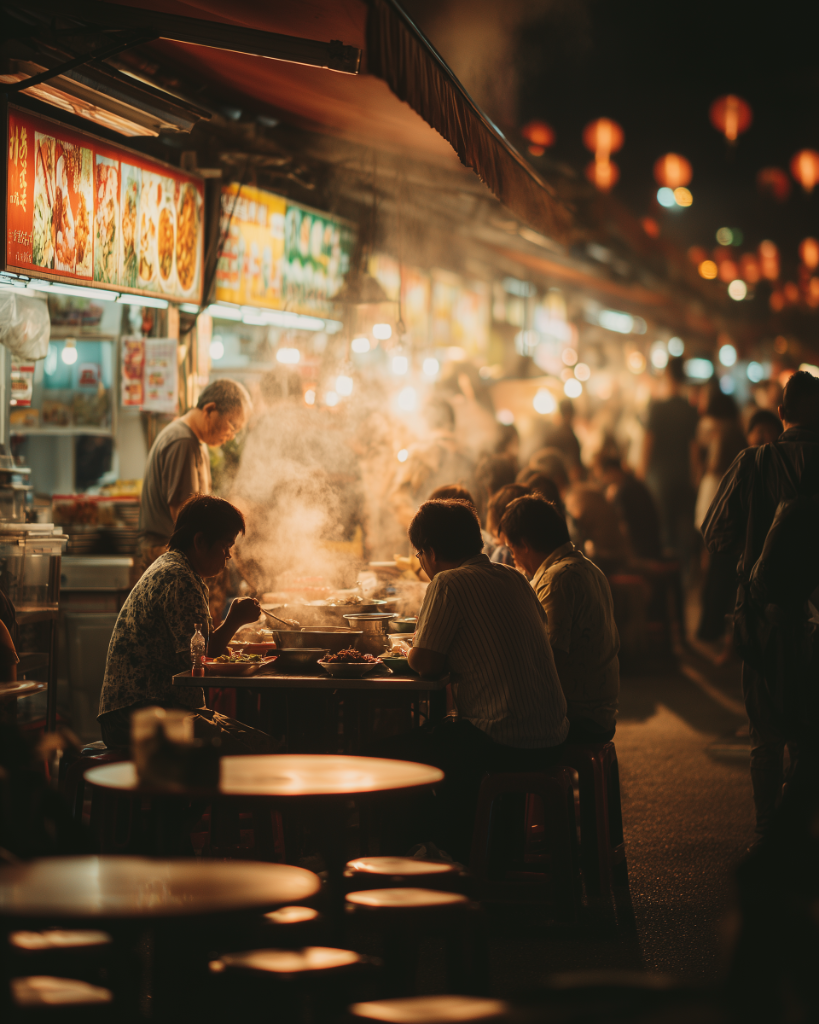
Street food scene in Singapore with diners, stalls and night market atmosphere.

Left: Gardens by the Bay — the Supertrees at dusk. Right: Hawker culture at night.

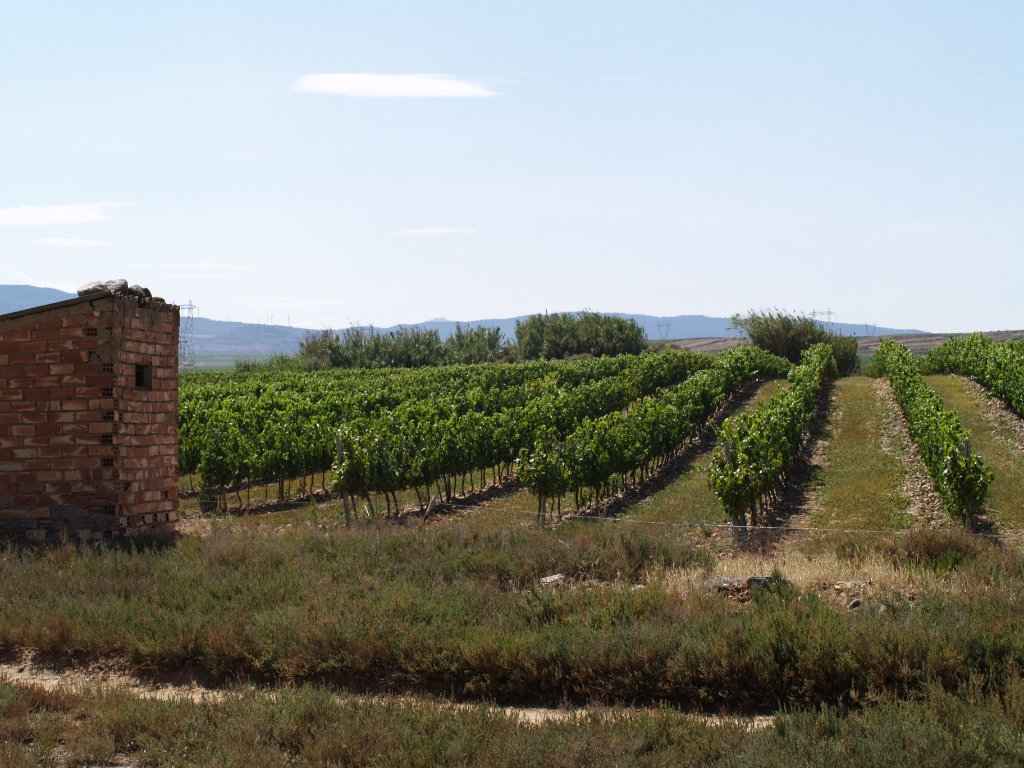
Organic vineyard landscape in Rioja with rows of vines and natural light.

Features

The Quiet
Revolution
of Rioja

In Rioja DOCa, Alberto Ramírez is redefining organic winemaking through forgotten native grapes and a radically contemporary vision of terroir.

Text Gorka Zabalbeitia  ·  Photography Alvaro Baños

Rioja is often associated with tradition, classification and historical prestige. But among its oldest vineyards, a quieter transformation is beginning to emerge.

For Alberto Ramírez — owner and winemaker of one of Rioja's leading organic wine projects — organic viticulture is not simply a production method, but a way of understanding landscape, biodiversity and identity through wine.

Working with alternative native varieties such as Garnacha, Graciano and Maturana, Ramírez has developed a contemporary interpretation of Rioja rooted in sustainability, precision and authenticity. His wines focus on low-intervention viticulture and on recovering the personality of grapes that for decades remained almost invisible within the region.

In this conversation with BERDEAK, Ramírez discusses the future of organic viticulture, the value of forgotten varieties and the evolving identity of one of Europe's most historic wine regions.

BERDEAK

How do you navigate the challenges and opportunities of organic viticulture within Rioja DOCa?

Alberto Ramírez

Being part of Rioja DOCa means working inside one of the most historically important wine regions in Europe. Organic production still represents a small percentage of the region, which creates both challenges and opportunities for producers working differently from the mainstream model. For us, organic viticulture is not simply a certification or a market category. It is a long-term commitment to vineyard health, biodiversity and authenticity.

BERDEAK

Why are varieties such as Garnacha, Graciano and Maturana so important for your project?

Alberto Ramírez

These grapes represent a different and more personal interpretation of Rioja. For many years, varieties such as Graciano and Maturana remained almost invisible because the market focused mainly on more commercial styles. What interests us is precisely that uniqueness. These grapes naturally produce wines with freshness, structure and aromatic complexity. They allow us to express Rioja differently — with more tension, elegance and identity.

"Organic wine is not about fashion. It is about responsibility and identity."

BERDEAK

Does this exclusivity also influence the way you communicate your wines?

Alberto Ramírez

Absolutely. Consumers today are increasingly curious about authenticity and transparency. They want to discover projects with a strong sense of place and wines that cannot be replicated elsewhere. The rarity of these varieties gives us an opportunity to tell a more specific story. But storytelling alone is not enough — the wines must justify that narrative through quality, precision and consistency vintage after vintage.

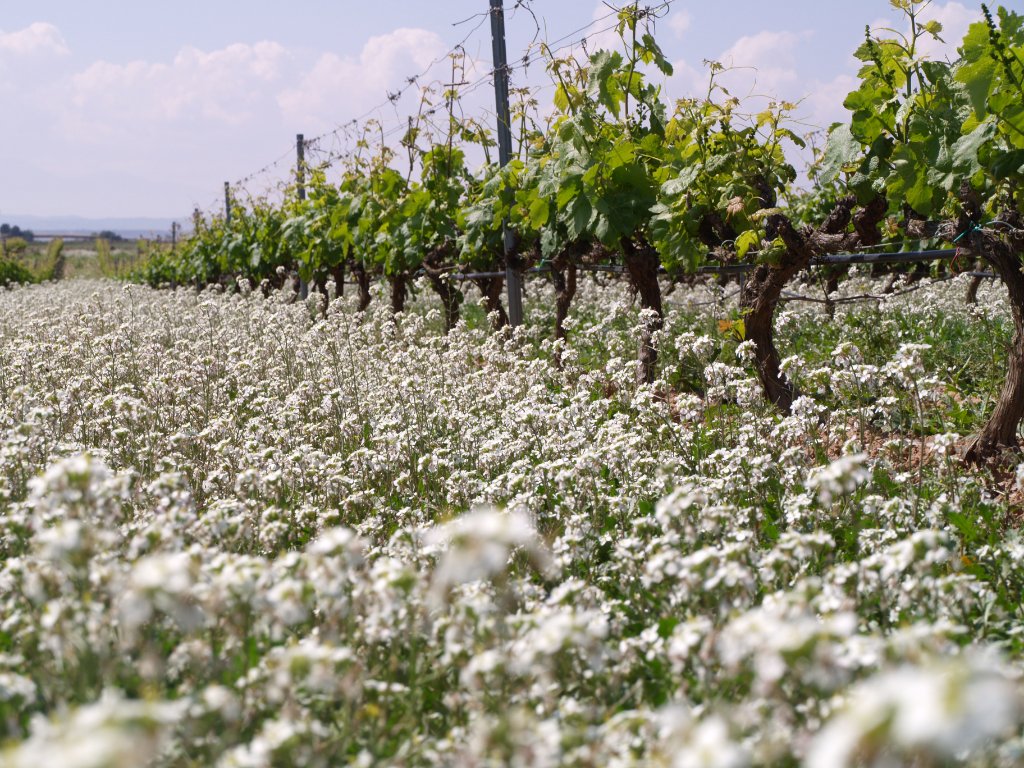
Detail of Rioja vineyard and grape-growing landscape connected to organic viticulture.
Organic cover crops in bloom · Spring in the vineyards of Rioja DOCa

"Our work is about recovering forgotten character and giving visibility to native grapes with enormous potential."

BERDEAK

How do you approach the risks associated with organic viticulture?

Alberto Ramírez

Organic farming changes your entire relationship with time and control. You cannot rely on aggressive interventions or shortcuts. Instead, you learn to work with the rhythm of nature rather than against it. Of course there are risks. But we believe that healthier vineyards ultimately produce wines with more depth, energy and authenticity.

BERDEAK

Consumers seem increasingly interested in sustainability and lower intervention wines. How do you interpret this shift?

Alberto Ramírez

I think consumers are becoming more informed and more curious. Younger generations especially want wines with honesty and identity. They want to know where a wine comes from, how it was produced and who is behind it.

BERDEAK

How do you see the future of Rioja over the next decade?

Alberto Ramírez

I believe Rioja will become increasingly diverse. Smaller projects focused on terroir, sustainability and precision will gain more visibility alongside the great historical wineries. The future depends on balancing tradition with openness — respecting Rioja's heritage while allowing new voices and approaches to emerge naturally.

"Rioja's future will belong to wines with identity, honesty and a sense of place."

BERDEAK · 08  ·  Issue 01 · Spring 2026

Wine Review

Two Wines,
One Philosophy

A quiet recommendation for drinking with curiosity and pleasure.

Text Gorka Zabalbeitia  ·  Photography Alvaro Baños

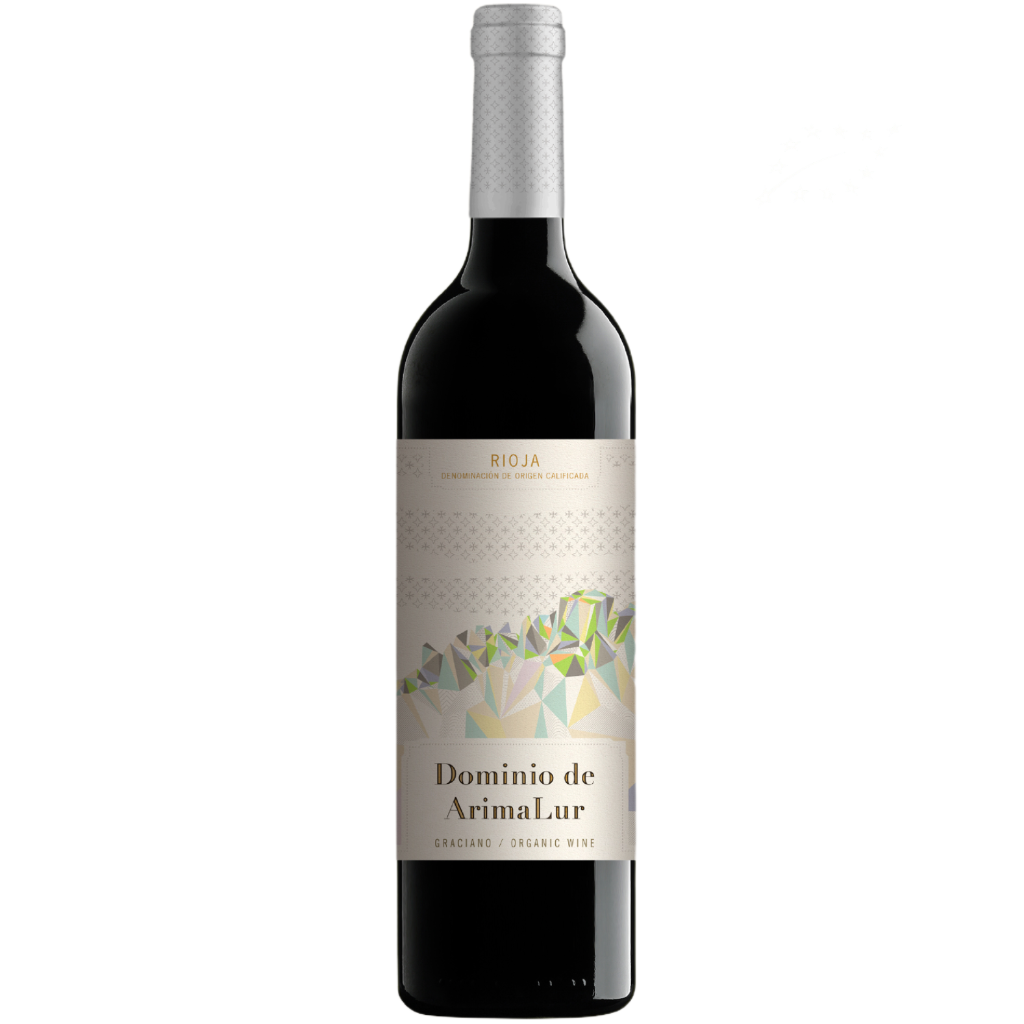
Bottle of Dominio de ArimaLur 2024 Rioja DOCa organic wine.
92JS
Rioja DOCa · Organic ViticultureBERDEAK Selection

Dominio de ArimaLur 2024

A precise and elegant expression of Graciano, combining freshness, tension and layered aromatic complexity. The wine opens with dark cherries, wild herbs and delicate floral notes, gradually revealing subtle spice, mineral nuances and remarkable depth.

On the palate, vibrant acidity and refined tannins create energy and structure, while a restrained use of oak preserves the purity of the fruit and the identity of the vineyard. Focused, contemporary and deeply rooted in Rioja's evolving organic landscape, the wine reflects a careful balance between tradition, sustainability and precision winemaking.
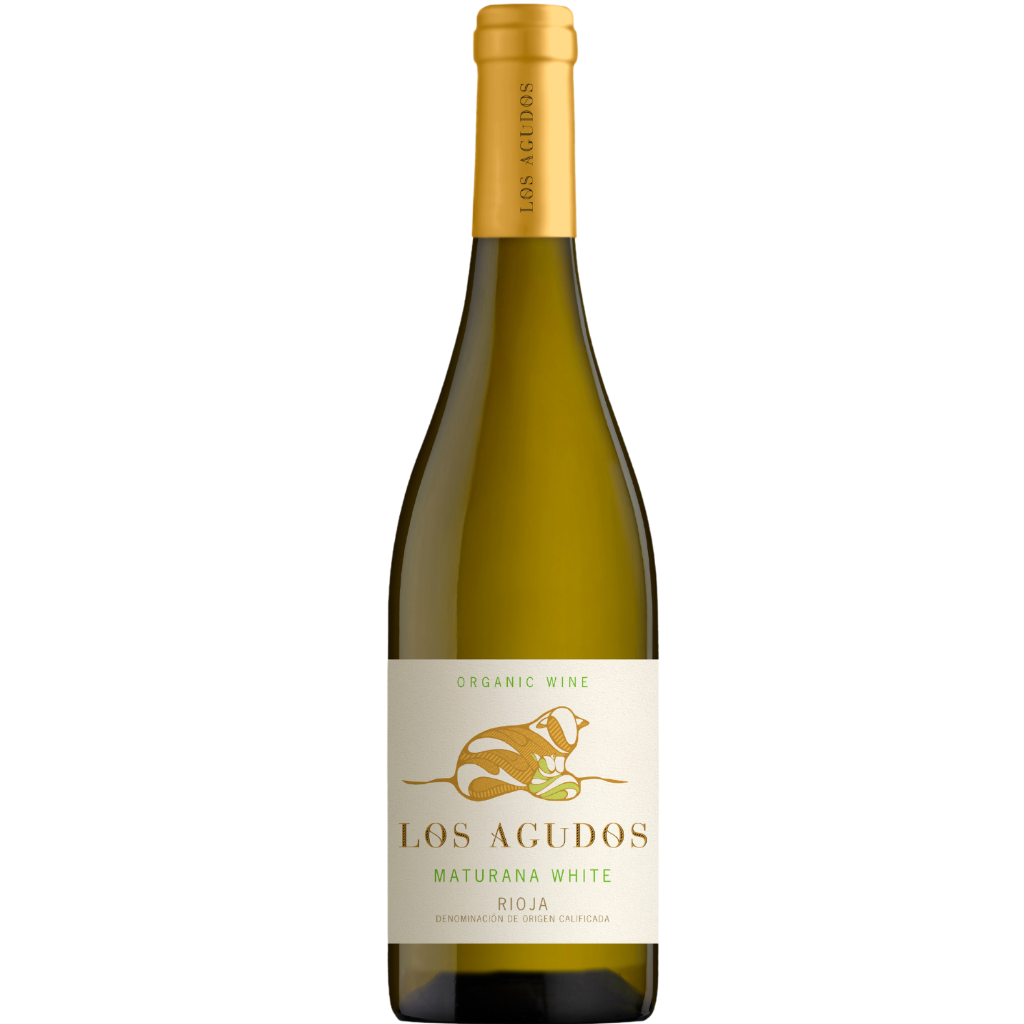
Bottle of Los Agudos 2024 Rioja DOCa organic wine.
92JS
Rioja DOCa · Organic ViticultureBERDEAK Selection

Los Agudos 2024

A precise and elegant expression of Rioja white winemaking, combining freshness, texture and layered aromatic complexity. The wine opens with ripe pear, white peach and baked apple, gradually revealing delicate brioche, toasted almond and subtle mineral nuances that add depth and sophistication to its character.

On the palate, vibrant acidity and a refined creamy texture create energy and balance, while a restrained use of oak preserves the purity of the fruit and the identity of the vineyard. Focused, contemporary and deeply rooted in Rioja's evolving organic landscape, Los Agudos reflects a careful balance between tradition, sustainability and precision winemaking.

BERDEAK · 16–17  ·  Issue 01 · Spring 2026

Food  ·  Wine  ·  Culture

Issue 01  ·  Spring 2026

BERDEAK

Food  ·  Wine  ·  Culture

Issue 01  ·  Spring 2026

BERDEAK Magazine

Digital Edition

Spring 2026

Issue 01

BERDEAK is an independent publication dedicated to food, wine and the cultures that shape them. Published quarterly.

© 2026 BERDEAK Magazine · All rights reserved